Westbourne Grove bulky rubbish collection for shops Bayswater
Posted on 10/08/2026
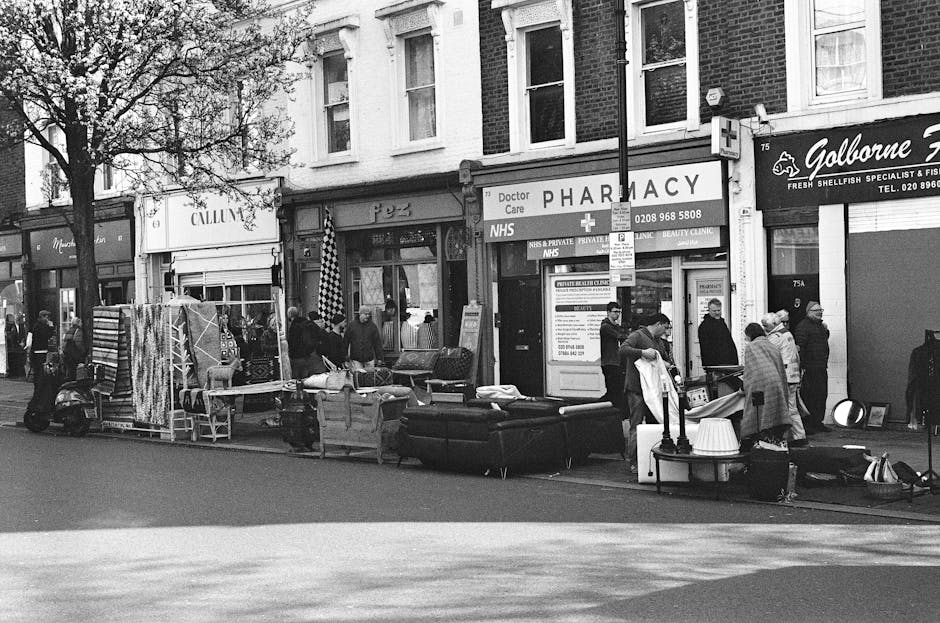
Westbourne Grove Bulky Rubbish Collection for Shops Bayswater
Running a shop on or near Westbourne Grove is busy enough without sacks, broken display units, old shelving, and packaging waste taking over the back room. If you are looking for Westbourne Grove bulky rubbish collection for shops Bayswater, you probably need something simple: a tidy, reliable way to remove large waste without disrupting trading hours or leaving a mess behind. Fair enough. That is exactly what this guide is here to help with.
Bulky shop rubbish is not just "extra waste". It can slow down stock rotation, block fire exits, frustrate staff, and make a good retail space feel cramped and unprofessional. In a place like Bayswater, where footfall, presentation, and timing matter, the right collection plan can save time and a lot of unnecessary hassle. Below, you will find a practical breakdown of how shop bulky waste collection works, what to expect, how to prepare, and how to avoid common mistakes.
Why Westbourne Grove bulky rubbish collection for shops Bayswater Matters
Shop waste is a different beast from household rubbish. A retail unit on Westbourne Grove may deal with packaging, damaged stock, redundant stands, old till counters, mannequins, shop fittings, broken furniture, or leftover materials after a refit. Some of it looks harmless until it starts stacking up. Then suddenly the stockroom is smaller, staff move slower, and the space stops feeling commercial and clean.
In a busy local shopping area, bulky rubbish collection matters because time is tight. Shops often need clearance early in the morning, after closing, or during a narrow delivery window. You may not want a skip sitting outside all day either, especially if access is tight or the frontage needs to stay presentable. That is where a planned collection service becomes useful: one visit, quick loading, and the waste gone without you having to coordinate multiple steps.
There is also the customer-facing side. Even if the rubbish is only in the back, staff notice it. Customers notice it too if a side door is open, or if the waste creep spills into a visible area. To be fair, a cluttered shop back area can affect morale more than people expect. A clear space tends to mean quicker resets, better stock handling, and fewer little accidents.
If you are also balancing broader property or neighbourhood concerns, related local reading such as living in Bayswater with an eye on day-to-day practicality can help frame how retail and residential life overlap in this part of London. And if your shop is near event-driven areas, our guide to Bayswater event venues gives a feel for how local footfall can affect logistics.
How Westbourne Grove bulky rubbish collection for shops Bayswater Works
Most bulky shop waste collections follow a straightforward pattern, but the details matter. A good provider will first want to understand what needs removing, whether access is easy, and whether any items are awkward, fragile, or heavy. That conversation is not just admin. It helps stop problems before they happen.
Here is the typical flow:
- Initial assessment. You describe the items, volumes, access points, and preferred time slot.
- Collection planning. The team works out vehicle size, labour, and loading requirements.
- Arrival and sorting. Items are checked on site so the crew knows what is going, what stays, and what needs special handling.
- Careful loading. Bulky waste is removed in a way that protects floors, walls, door frames, and customers where needed.
- Responsible disposal. Waste is taken away for sorting, recycling, or disposal according to the material type.
In a narrow shopfront setting, the practical issue is often access, not volume. A few large pieces can be more awkward than a mountain of bagged waste. Ever tried moving a warped shelf through a tight back corridor at closing time? It is rarely glamorous. It is, however, exactly the sort of thing a well-organised collection team should handle smoothly.
If your business is in the middle of a wider clearance, it may be worth looking at general waste collection in Bayswater alongside the bulky items plan. For shops handling fixtures or old stockroom furniture, a service like furniture disposal in Bayswater is often the closest match to what you actually need.
Key Benefits and Practical Advantages
The real value of bulky rubbish collection is not just "getting rid of stuff". It is about keeping the business moving. Small retail spaces especially can lose useful square footage fast, and once a corner becomes the dumping ground for unused items, it tends to stay that way. You know the drill.
Key advantages include:
- Faster turnaround: Large items disappear in one visit instead of lingering for days.
- Better presentation: A clear stockroom makes the whole shop feel more organised.
- Safer movement: Fewer trip hazards and less obstruction around staff routes.
- Less disruption: Collections can often be timed around trading hours.
- More flexible than self-removal: You do not need to hire a van, find loading space, or lift everything yourself.
- Cleaner waste handling: Reusable or recyclable materials can often be separated properly.
For shops that are refreshing stock displays, replacing furniture, or clearing out old fittings after a branding update, the savings in time can be surprisingly valuable. A tidy store room can help staff restock faster, and that matters when customers are browsing and asking questions at the till.
Practical takeaway: if bulky waste is delaying your next operational step, it is probably costing more than the removal itself.
For businesses comparing broader service options, the page on services overview is a useful starting point, and pricing and quotes can help set expectations before you book anything.
Who This Is For and When It Makes Sense
This kind of collection is useful for a lot more than a full shop refit. In practice, most requests come from businesses that need a fast, sensible way to remove a mix of large or awkward items.
It makes sense for:
- independent boutiques replacing shelving or rails
- convenience stores clearing damaged fixtures
- salons and beauty shops disposing of old chairs, mirrors, or cabinetry
- cafes and delis replacing tables, counters, or storage units
- pop-up shops at the end of a short lease
- landlords preparing a commercial unit for new tenants
- managers clearing out stockrooms after a seasonal change
It also becomes sensible when the waste is too heavy, too bulky, or too awkward for staff to move safely. If you have ever looked at a broken display cabinet and thought, "Right, that is not fitting in the back of my car," you are exactly the kind of person this service is for.
There is a local pattern here too. Shops around Bayswater and nearby districts often operate with limited back-of-house space. That means a single old counter can become a genuine obstacle, not just a nuisance. If your unit also serves office functions, the guide to office clearance in Bayswater may be relevant alongside shop waste planning.
Step-by-Step Guidance
Here is a simple way to organise a collection without turning it into a mini project that eats up your afternoon.
- Walk the shop and note every item. Group items by type: furniture, fixtures, packaging, mixed waste, or electronics if any are involved.
- Measure awkward pieces. Height, width, and depth help a collection crew plan safe removal. Big items love to look smaller until they reach the doorway.
- Check access routes. Think about stairs, lifts, narrow corridors, parking, and whether there is a rear entrance.
- Separate what must stay. Label stock, equipment, or documents that should not be moved by mistake.
- Ask about timing. Early morning or after-hours collection may reduce disruption for busy retail units.
- Confirm the waste type. Wood, metal, mixed furniture, and electrical items may be handled differently.
- Prepare the space. Clear a path so loading can happen quickly and safely.
- Review the plan on the day. A quick site check avoids confusion and prevents delays.
A useful habit is to photograph the items before booking. Not for drama, just for clarity. It helps everyone agree on the scope, especially if the stockroom is a bit chaotic, which, let's face it, it often is.
If your waste includes old display furniture or replacement counters, a related service like furniture disposal in Bayswater may fit the job neatly. For mixed loads from a refit, builders waste disposal in Bayswater can also be relevant where fixings, timber offcuts, or renovation debris are involved.
Expert Tips for Better Results
After a while, you notice the same few habits make bulky collections smoother. Nothing fancy. Just disciplined preparation.
- Book before the pile becomes a problem. A small backlog is easier to manage than a floor-to-ceiling one.
- Keep mixed waste separate if you can. It helps with recycling and can make the job cleaner overall.
- Use a single staging area. One clear point for all items reduces confusion on collection day.
- Protect flooring and thresholds. A bit of preparation can prevent scuffs and friction at the doorway.
- Choose a time that works for trading. Off-peak collection usually means fewer interruptions.
- Ask what happens to reusable materials. You may be able to keep the removal process more sustainable.
One small but important point: if you run a customer-facing shop, try not to leave bulky waste visible at the front window overnight. Even if no one says anything, it changes how the business feels from the street. And that street impression matters more than many owners realise.
If sustainability matters to your brand, the page on recycling and sustainability is worth a look because it reinforces how responsible waste handling can fit into day-to-day operations.
Common Mistakes to Avoid
Most collection problems are avoidable. They usually come down to assumptions, rushed planning, or someone hoping the back room will magically sort itself out. It will not. Sadly.
- Leaving everything to the last minute. This leads to rushed bookings and poor access preparation.
- Mixing keep-items with disposal items. One unlabeled box can cause unnecessary stress.
- Forgetting about access. A collection crew needs to know about stairs, loading restrictions, or locked rear gates.
- Assuming all bulky waste is identical. Different materials and item types can require different handling.
- Blocking fire exits or customer routes. This is both inconvenient and risky.
- Choosing the cheapest option without checking service details. The real cost of delays or poor handling is often higher.
There is another one that catches people out: not checking whether the collection covers only removal or also labour from inside the shop. That detail can make a big difference if items are on an upper floor or tucked behind stock. Ask early. Saves a headache later.
Tools, Resources and Recommendations
You do not need specialist equipment for every shop clearance, but a few simple tools can make the job far easier.
- Heavy-duty labels: useful for marking keep, move, and dispose items.
- Measuring tape: helps with bulky or awkward items and access checks.
- Photos on a phone: great for sending clear item details before booking.
- Cleaning cloths and gloves: handy if you need to wipe down shelves or handles before loading.
- Cardboard boxes or tote crates: useful for sorting loose parts, brackets, or accessories.
- Basic floor protection: especially helpful if the route runs through polished or delicate surfaces.
For related commercial clear-outs, some businesses also review house clearance in Bayswater when stockroom items overlap with stored household-type goods, though that only makes sense in certain mixed-use premises. A better fit for many retail premises is simply regular waste collection in Bayswater combined with an occasional bulky pickup.
If you are unsure about service scope, about us can help build trust in who is handling the job, while insurance and safety is worth reading whenever heavy lifting, shared access, or customer areas are involved.
Law, Compliance, Standards, or Best Practice
For shop owners, compliance is less about memorising legal jargon and more about staying sensible and documented. Waste must be handled responsibly, and that means you should know what type of waste you are dealing with, how it is stored before collection, and who is removing it.
Good practice usually includes the following:
- Clear waste identification: know whether items are general bulky waste, mixed materials, or potentially regulated items.
- Safe storage before collection: avoid blocking exits, walkways, or access to stock.
- Duty of care mindset: even if the collection is straightforward, keep a record of what was removed and when.
- Correct handling of electrical items: if any equipment is involved, treat it separately and carefully.
- Working around trading conditions: minimise disruption and avoid unsafe lifting around customers.
Compliance is also about honesty in description. If a job is mostly old shelving but includes some awkward metal frames and a heavy counter, say so. The more accurate the brief, the smoother the removal. This is one of those small truths that saves a lot of trouble.
For businesses that care about governance and trust, site policies such as terms and conditions, privacy policy, payment and security, and the modern slavery statement can provide reassurance about how the company operates.
Practical standard: if a collection would make your shop safer, tidier, and easier to trade from, it is usually worth planning properly rather than improvising.
Options, Methods, or Comparison Table
There are usually three ways shops approach bulky rubbish in Bayswater: self-removal, skip hire, or a professional collection service. The best choice depends on access, volume, timing, and how much staff time you can afford to lose.
| Method | Best for | Main advantages | Possible drawbacks |
|---|---|---|---|
| Self-removal | Very small loads and easy access | Direct control, can seem low-cost | Time-consuming, labour-heavy, vehicle needed |
| Skip hire | Larger refits or ongoing waste streams | Good for sustained projects, flexible fill period | Space needs, permit considerations, visible street presence |
| Bulky rubbish collection service | Retail shops needing fast, one-off removal | Quick, labour included, less disruption | Needs clear item description and access planning |
For Westbourne Grove shops, the third option is often the most practical because it fits the reality of narrow premises, limited storage, and the need to keep trading. A skip can make sense in some projects, but for many retailers it is simply too clunky. No one wants to manage a street obstacle when they are trying to run a polished shopfront.
Case Study or Real-World Example
Imagine a small independent shop preparing for a seasonal refresh. The owners have old display plinths, a damaged storage cabinet, two broken chairs, and flattened packaging from new stock arrivals. Nothing is catastrophic. But the back room is cramped, and staff keep shifting items around just to reach cleaning supplies.
They start by listing every item, then move breakables and stock into a separate labelled area. One morning collection is arranged before opening hours. The crew arrives, checks access through the rear route, and loads the bulky pieces without interrupting the day's trade. The old furniture goes, the stockroom opens up, and the team can actually work without stepping over things. Small win? Maybe. But these small wins make a shop feel calmer.
That calm matters. A clear back-of-house area reduces friction between tasks, especially during busy times when staff are already juggling deliveries, customer questions, and restocking. It is not glamorous, but it is the sort of thing that quietly improves the whole day.
If a shop is also reworking interiors or fitting out a new unit, it may make sense to pair this with builders waste disposal in Bayswater so the refit debris and bulky fixtures are handled in a joined-up way. That tends to be simpler than piecemeal removal.
Practical Checklist
Use this quick checklist before booking a collection. It is simple, but it works.
- List every bulky item that needs removing.
- Separate items you want to keep.
- Measure the largest or most awkward pieces.
- Check whether stairs, lifts, or rear access are involved.
- Make sure fire exits and walkways stay clear.
- Decide on a collection time that avoids peak trading.
- Identify anything that may need special handling.
- Take photos if the load is mixed or difficult to describe.
- Confirm where the waste will be staged before collection.
- Ask about recycling or reuse where appropriate.
If you can tick most of those off, the collection usually goes much more smoothly. And if you cannot, no panic. It just means the job needs a bit more planning, which is normal enough in retail.
Conclusion
Westbourne Grove bulky rubbish collection for shops Bayswater is really about keeping a shop usable, safe, and ready for business. Once bulky items start taking over valuable space, the whole operation feels heavier. Staff work around clutter, customers sense the disorder, and the business loses a bit of its edge.
The good news is that the solution does not have to be complicated. With a clear item list, sensible timing, and the right type of collection service, bulky waste can be removed quickly and cleanly. That leaves you free to focus on trading, presentation, stock, and all the other things that actually matter during the working week.
For shop owners in Bayswater, the smartest approach is usually the practical one: plan ahead, keep access clear, and choose a service that matches the real shape of the waste, not just the label on it. Simple, but effective.
Get a free quote today and see how much you can save.
When the clutter goes, the shop breathes again. That is a good feeling, and honestly, it never gets old.

 Tipper Van - Waste Collection and Rubbish Clearance Prices in Bayswater, W2
 Luton Van - Waste Collection and Rubbish Clearance Prices in Bayswater, W2


